5 Signs It's Time for a Tire Replacement
Are you wondering if it's time to swap out those old tires on your vehicle? In this article, we'll delve into the top 5 signs that indicate the need for a tire replacement. From uneven tread wear patterns to decreased traction on the road, we'll cover all the crucial warning signals your tires might be sending you. By the end of this read, you'll be equipped with the knowledge to identify when it's time to invest in safer, more reliable tires for your journeys. Stay tuned to ensure you're rolling smoothly and securely on the roads ahead!
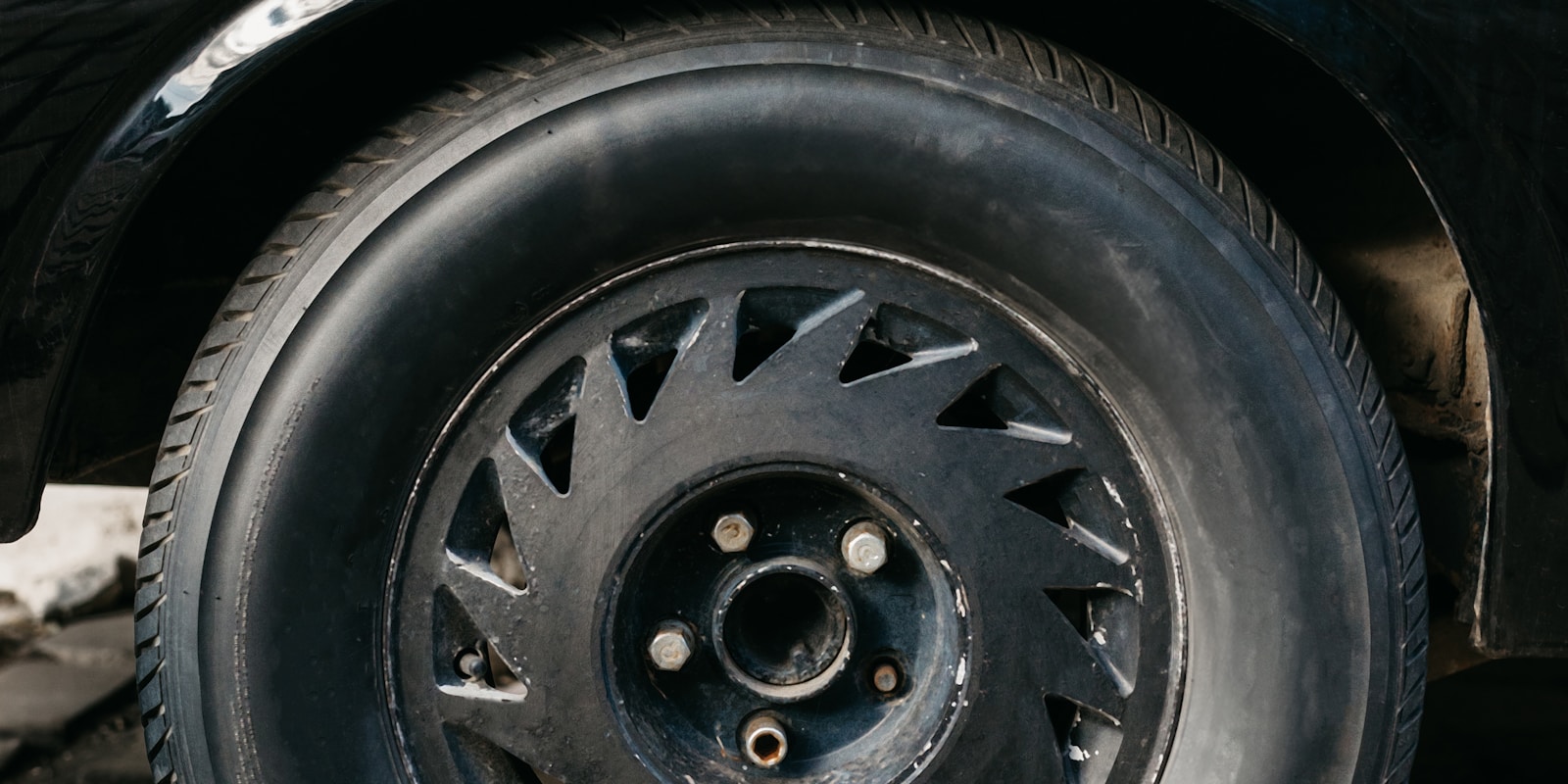
Uneven Tread Wear Patterns
Uneven tread wear patterns on your tires can be a clear indication that it's time for a tire replacement. These patterns can manifest in various ways, such as wear on the edges or center of the tire, cupping or scalloping, and more. Understanding what these patterns mean can help you determine when it's necessary to replace your tires.
When tires wear unevenly, it can be a sign of issues such as improper tire inflation, misaligned wheels, or suspension problems. If left unaddressed, these issues can not only accelerate tire wear but also affect your vehicle's handling and safety on the road. By regularly checking for and addressing uneven tread wear patterns, you can prolong the life of your tires and ensure optimal performance.
In some cases, rotating your tires can help mitigate uneven wear and extend their lifespan. However, if the wear patterns persist or worsen despite regular maintenance, it may be time to invest in a new set of tires. Remember that your tires are crucial to your safety on the road, providing traction and stability in various driving conditions. Don't ignore the signs of uneven tread wear patterns – they could be telling you that it's time for a tire replacement
Decreased Traction on the Road
When you start noticing decreased traction on the road, it could be a clear indication that it's time to replace your tires. Traction is crucial for maintaining control of your vehicle, especially in adverse weather conditions like rain or snow. Worn-out tires with low tread depth lose their grip on the road, making it harder for you to accelerate, brake, or steer effectively.
One way to check your tires' traction is by performing the penny test. Simply insert a penny into the groove of the tire with Lincoln's head facing down. If you can see the top of Lincoln's head, it means the tread depth is too shallow, indicating that your tires need to be replaced.
Additionally, if you notice your vehicle skidding or slipping, especially when turning or braking, it's a sign of decreased traction. This lack of grip can compromise your safety on the road and increase the risk of accidents.
Ignoring diminished traction can lead to dangerous driving situations and potentially costly repairs down the line. By being proactive and replacing your tires when you observe decreased traction, you can ensure optimal performance and safety while driving. Remember, maintaining good traction is essential for your safety and the safety of others on the road
Excessive Vibration While Driving
Experiencing excessive vibration while driving can be a clear indicator that it's time for a tire replacement. This issue can result from several factors related to tire wear and tear, ultimately affecting your vehicle's performance and safety on the road.
One of the primary reasons for excessive vibration is uneven tire wear. Over time, tires can wear out unevenly due to factors like improper alignment, unbalanced tires, or suspension issues. As a result, the tires may develop irregular tread patterns that lead to vibrations when driving. Ignoring this vibration can not only affect your comfort while driving but can also pose a safety risk due to reduced traction and control.
Another common cause of vibration is tire damage or deterioration. Punctures, cuts, bulges, or other visible signs of damage on the tire's sidewall or tread can disrupt the smooth rotation of the tire. This can cause a noticeable vibration, especially at higher speeds. Continuing to drive on damaged tires can be dangerous, as they are more prone to blowouts, which can lead to loss of control of the vehicle.
Moreover, worn-out or old tires can also contribute to increased vibration. As tires age, the rubber compounds harden, reducing their flexibility and ability to grip the road effectively. This can result in a rougher and noisier ride, accompanied by noticeable vibrations. When tires reach the end of their lifespan, it's crucial to replace them promptly to maintain optimal performance and safety while driving.
In conclusion, if you're experiencing excessive vibration while driving, it's essential to address this issue promptly by inspecting your tires. If you notice uneven wear, damage, or old tires, consider replacing them to ensure a smooth and safe driving experience. Regularly checking and maintaining your tires is key to preserving your vehicle's performance, fuel efficiency, and most importantly, your safety on the road
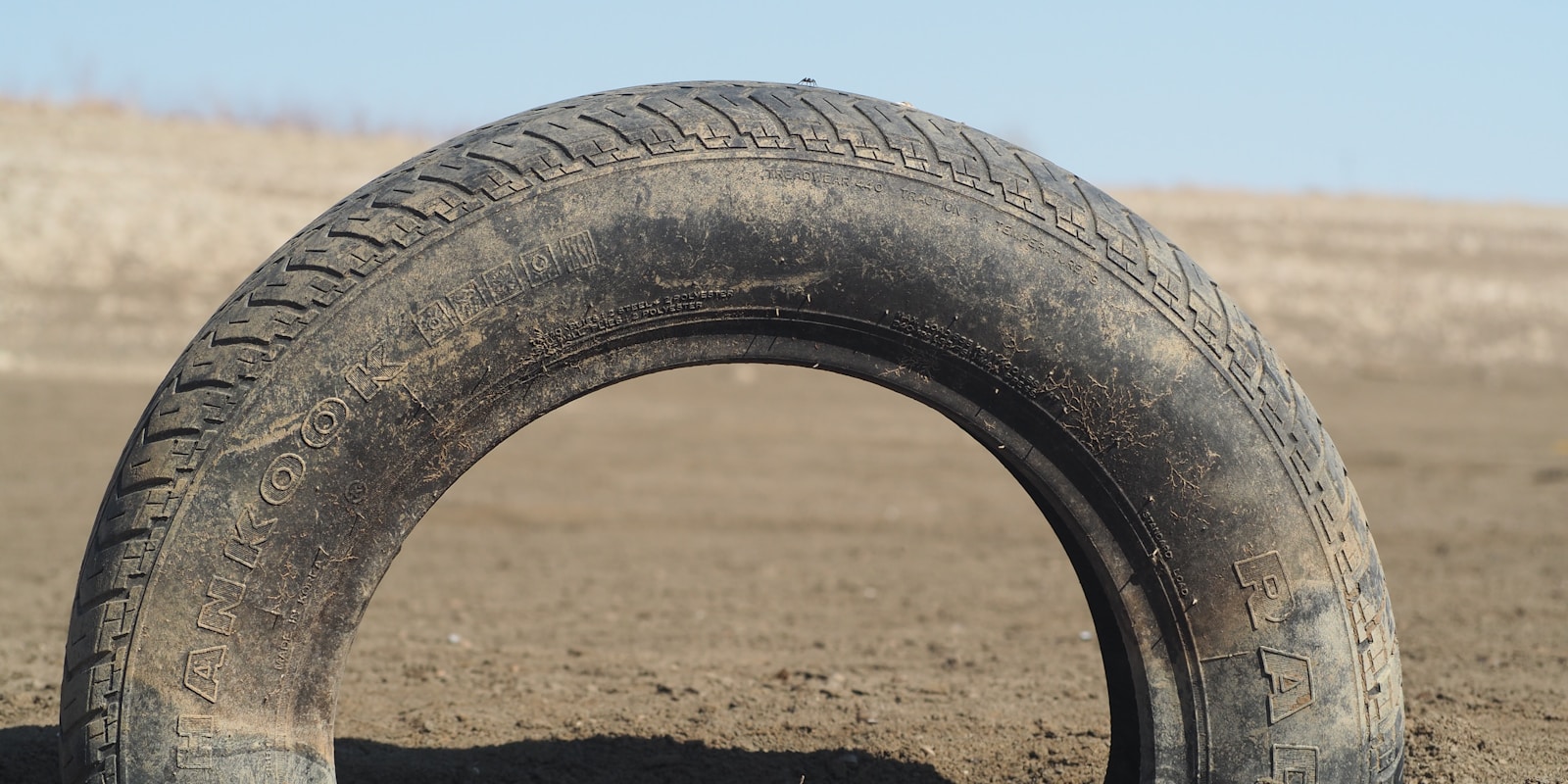
Visible Cracks or Bulges on the Tires
Visible cracks or bulges on your tires can be a clear indication that it's time for a replacement. These signals are not to be overlooked, as they can compromise the safety and performance of your vehicle.
Cracks on the sidewall of a tire can be a sign of aging or prolonged exposure to the elements. As a tire ages, the rubber compounds break down, leading to cracks that weaken the tire's structure. Bulges, on the other hand, are often caused by impacts or internal damage to the tire. Both cracks and bulges weaken the tire, making it more susceptible to blowouts or flats.
Driving on tires with visible cracks or bulges is risky as it can lead to sudden tire failure, especially at high speeds. It's crucial to inspect your tires regularly for any signs of damage. If you notice any cracks or bulges, it's best to replace the tires as soon as possible to ensure your safety on the road.
By staying vigilant and addressing issues like visible cracks or bulges promptly, you can avoid potential accidents and maintain optimal performance from your tires. Remember, when it comes to tire safety, prevention is key, so don't delay in replacing damaged tires to keep your vehicle running smoothly and safely
Tire Pressure Loss or Fluctuations
Proper tire pressure is essential for optimal vehicle performance and safety on the road. When your tires experience pressure loss or fluctuations, it can indicate underlying issues that may warrant a tire replacement. Here are some key points to consider:
1. **Uneven Tread Wear**: Low tire pressure can lead to uneven wear patterns on your tires. This often results in visible bald spots or worn edges, affecting traction and handling. If you notice significant tread wear differences between your tires, it may be time to replace them.
2. **Increased Fuel Consumption**: Underinflated tires cause your vehicle to work harder, leading to increased fuel consumption. If you find yourself making more frequent trips to the gas station without a clear explanation, it could be due to tire pressure issues that necessitate replacement.
3. **Handling and Stability Concerns**: Fluctuating tire pressure can impact your car's handling and stability on the road. You may notice difficulty steering, decreased responsiveness, or a tendency for the vehicle to pull to one side. These issues not only compromise your driving experience but also pose safety risks that should not be ignored.
4. **Visible Damage**: Inspect your tires regularly for any signs of damage, such as cracks, bulges, or cuts. Pressure fluctuations can exacerbate these issues, indicating that the structural integrity of the tire has been compromised. Driving on damaged tires can lead to blowouts or other dangerous situations, making replacement imperative.
5. **Frequent Pressure Checks**: If you find yourself constantly needing to top up your tire pressure or if you notice that the pressure drops rapidly after inflation, it could be a sign of a leak or a more serious problem. Consistent pressure fluctuations are not normal and should prompt a thorough inspection by a professional to determine if replacement is necessary.
In conclusion, monitoring tire pressure and addressing any loss or fluctuations promptly is crucial for the overall health of your vehicle and your safety on the road. If you encounter persistent issues despite regular maintenance, it may be time to consider replacing your tires to maintain peak performance and peace of mind while driving
Conclusion
In conclusion, keeping an eye on the condition of your tires is crucial for your safety on the road. By recognizing the 5 key signs that indicate the need for a tire replacement – such as uneven tread wear, decreased traction, bulges, cracks, and vibrations – you can proactively ensure that your vehicle remains safe, efficient, and reliable. Don't ignore these warning signals; investing in high-quality tires when necessary will not only enhance your driving experience but also contribute to a smoother and more secure journey ahead. Remember, your tires are the foundation of your vehicle's performance, so stay informed and stay safe on the road!